
Concrete production has evolved significantly over the past decades, integrating modern technologies that improve precision, efficiency, and surface quality. One of the most advanced solutions used today is vacuum forming technology. It allows manufacturers to create highly detailed molds that ensure consistent results in both decorative and structural concrete elements.
Vacuum forming plays a crucial role in producing durable and visually appealing products for construction, landscaping, and architectural applications.
What Are Vacuum Form Molds?
Vacuum forming is a process in which heated plastic sheets are shaped over a master model using vacuum pressure. The result is a precise and durable mold capable of replicating fine textures and complex geometries.
Professional vacuum form molds are widely used in concrete manufacturing because they provide:
- high dimensional accuracy
- smooth surface finish
- repeatable production results
- resistance to deformation
- long operational lifespan
These molds are especially suitable for decorative concrete, fencing systems, façade panels, and paving products.
Technology Behind Vacuum Forming
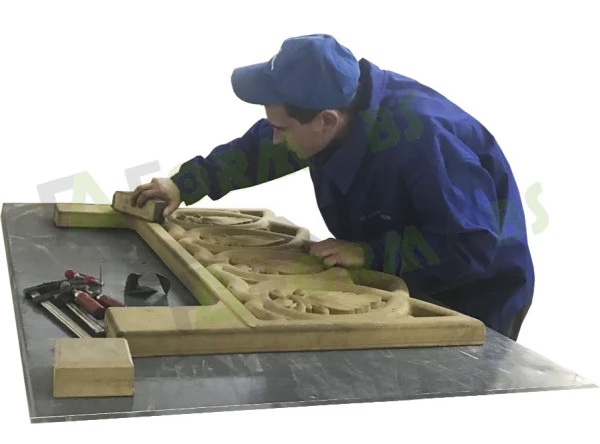
The process begins with creating a master model that defines the final shape and texture. A thermoplastic sheet, often ABS, is heated until flexible and then vacuum-formed over the model. Once cooled, the plastic retains the exact geometry of the master.
In concrete production, this technology ensures:
- precise texture replication
- uniform thickness
- easy demolding
- reduced risk of surface defects
Because of its accuracy, vacuum forming is often chosen for projects where aesthetics and consistency are critical.
Integration with Concrete Production Equipment
To achieve optimal results, vacuum-formed molds are often used in combination with vibration equipment. Proper compaction removes air bubbles and increases the density of the concrete mix.
A vibrating table concrete system enhances the performance of molds by ensuring even distribution of the mixture. This combination results in:
- improved structural strength
- smoother surfaces
- fewer voids
- enhanced durability of finished products
The synergy between advanced molds and vibration equipment significantly increases production efficiency.
Applications in Construction and Landscaping
Vacuum form molds are used in various concrete production sectors, including:
- fence panels and posts
- façade tiles and cladding elements
- paving slabs and walkway tiles
- architectural decorative components
- landscaping features
Their versatility allows manufacturers to expand product lines while maintaining high quality standards.
Economic and Production Benefits
From a business perspective, vacuum forming technology reduces long-term production costs. The durability of ABS molds means fewer replacements and less downtime. Consistent geometry minimizes waste and decreases the need for corrective finishing work.
Key economic advantages include:
- lower defect rates
- faster production cycles
- scalable manufacturing processes
- predictable quality control
For both small workshops and industrial plants, vacuum form molds represent a reliable investment.
Why Choose FormaBS Solutions
FormaBS specializes in modern mold production technologies tailored to concrete manufacturers. The company provides professional solutions designed for durability, precision, and compatibility with industrial equipment.
By combining vacuum forming expertise with high-performance vibration systems, FormaBS supports efficient and high-quality concrete production for a wide range of applications.
Conclusion
Vacuum form molds have become an essential component in modern concrete manufacturing. Their precision, durability, and compatibility with vibration equipment make them ideal for producing high-quality architectural and structural elements. When integrated into a well-organized production process, they enhance efficiency, reduce costs, and ensure consistent results.
Choosing advanced vacuum forming solutions from FormaBS allows manufacturers to remain competitive while delivering reliable and aesthetically refined concrete products.